
ARCHIVE PAGE: this website is gradually being updated from April 2022

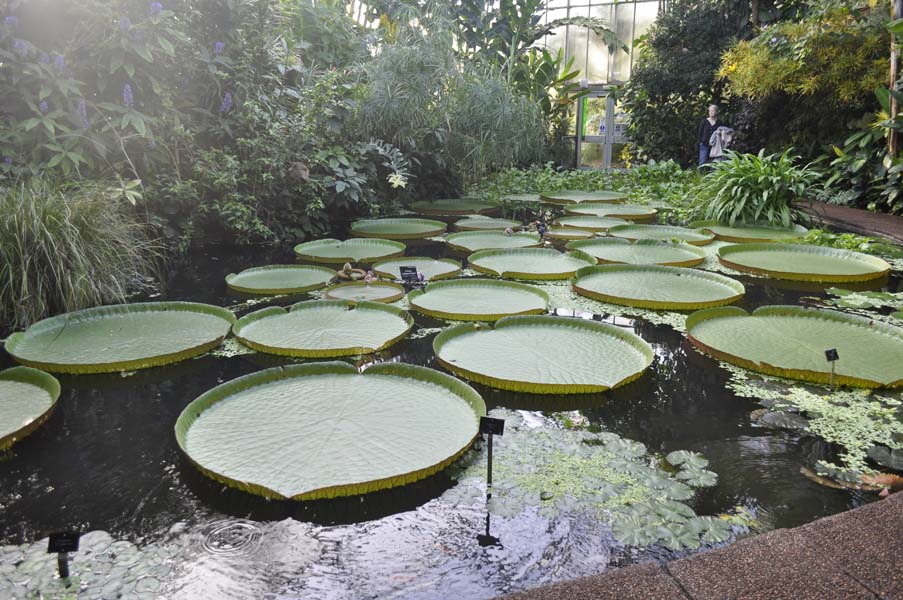
Botanic gardens, Edinburgh
2 November 2018
The Royal Botanic Gardens in Edinburgh are a useful stopping off point for us on a return journey from Scotland, and we were blessed with a beautiful late Autumn day to enjoy them. These man-sized lily pads are in one of the tropical glasshouses. More pictures in the trees section.
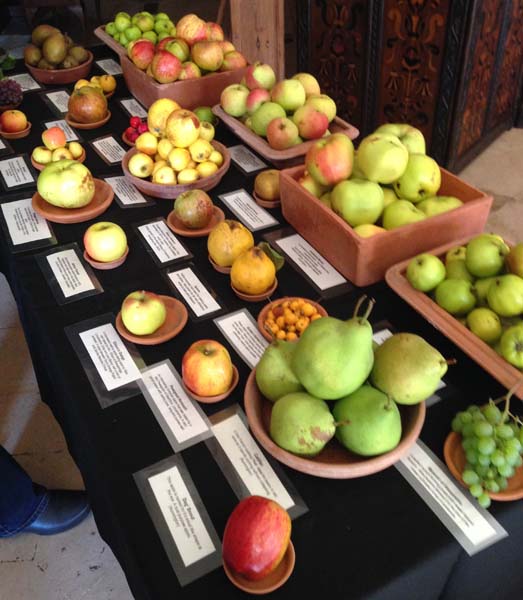
Apples, Nunnington
20 October 2018
Visiting the same garden at different times of the year reveals different delights. Nunnington Hall is a regular stopping off place for us, and a stroll around the garden and hall usually produces something new and of interest. In October there was a display of apple varieties in the hall, along with some culinary delights of the past, and a violinist playing in the room to add some musical backround.
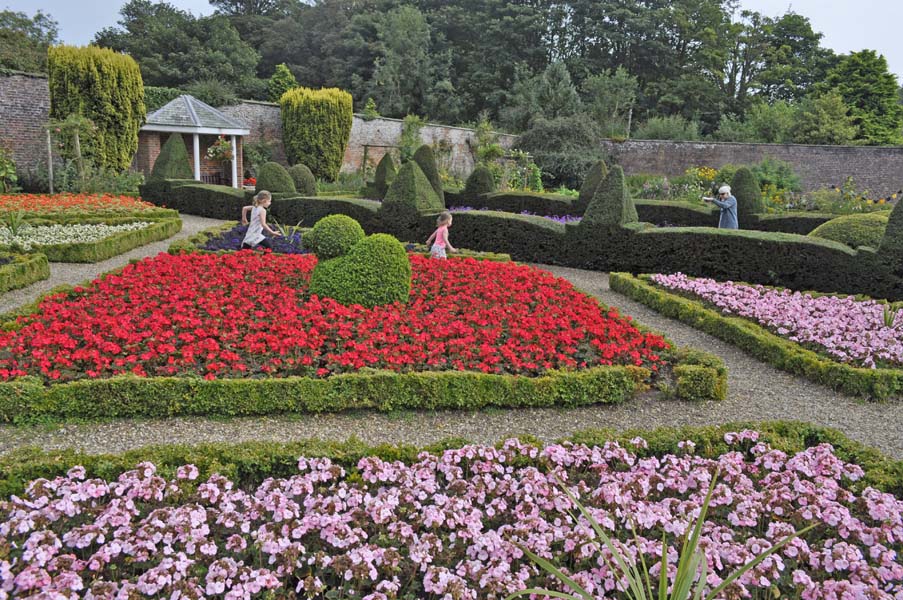
Sewerby Park, Yorkshire
3 September 2018
Sewerby Hall is owned and run by the East Riding of Yorkshire Council (Bridlington) and has undergone major restoration works in recent years. There are formal gardens as well as specimen tree planting, alongside a zoo, playground, and museum. More in the trees section.

Seating in the former potager
1 September 2018
Following the sad demise of the box centrepiece in our "potager", we created a flagged sitting area with a contemporary weatherproof rattan-style sofa, seats and table. The surrounding beds were widened and raised, and will be planted with herbs and annuals.

Kiplin Hall, North Yorkshire
5 August 2018
The gardens at Kiplin Hall near Richmond are gradually being brought back to life and form under the care of the Kiplin Hall Trust. Parkland, formal, informal, wildlife, lily pond and walled kitchen garden all form part of the grounds, and a small gardening museum adds to the interest.
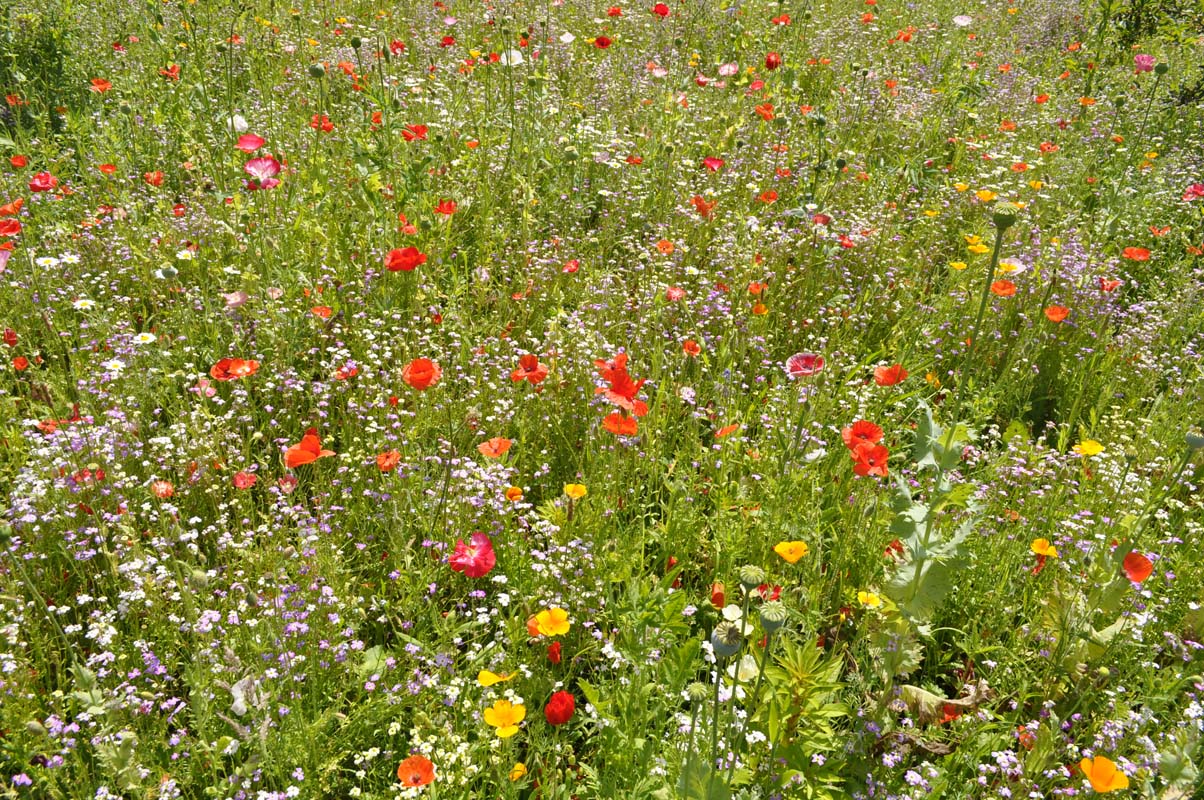
St Nicholas garden, Richmond
5 August 2018
St Nicholas gardens on the outskirts of Richmond open once a month, and we picked a beautiful day to wander round the formal garden bounded by topiary hedges; cottage, rock , potager and herb gardens, and splendid long borders. The wildflower meadow was a particular treat.
Bronzes, Nunnington
27 July 2018
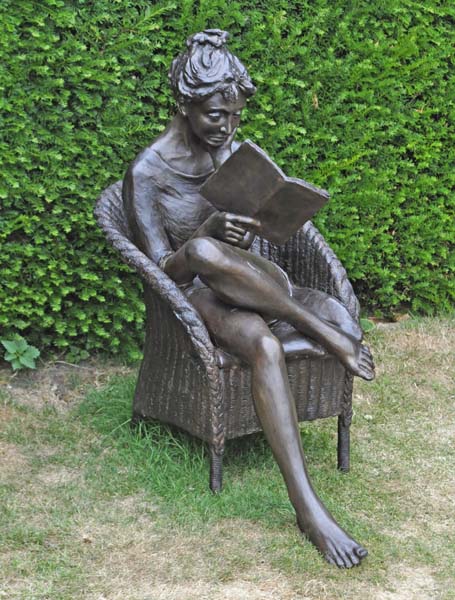
Nunnington Hall mounts regular exhibitions of art work in its top floor galleries, and this was extended to the gardens this summer with a display of superb bronzes placed around the gardens. These were life sized sculptures created by Lloyd Le Blanc and Judith Holmes Drewry, all for sale, though not for those without a good deal of money to invest. A lovely enhancement of a lovely garden for a couple of months in summer.
Abbey gardens, Tresco
25 June 2018
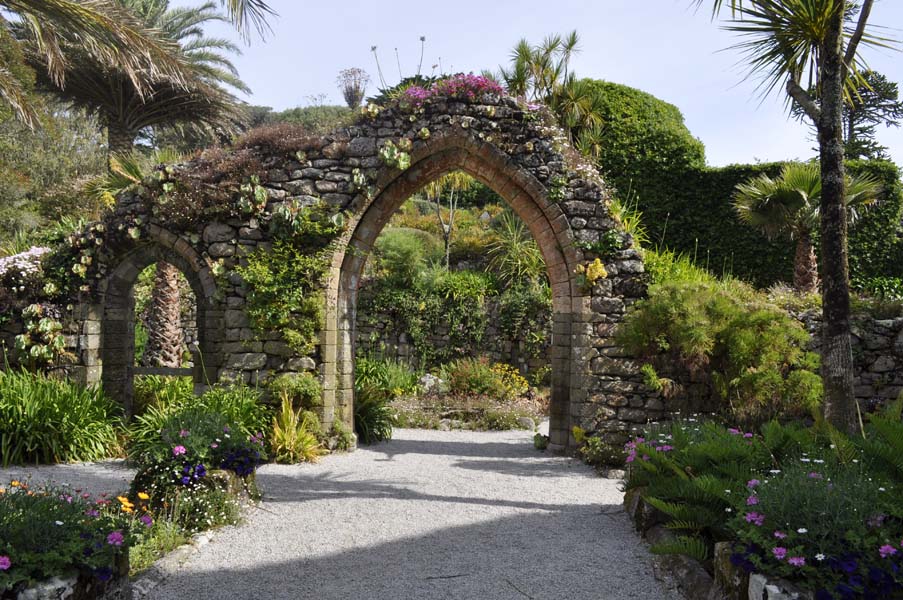
Another ambition achieved - a visit to Abbey Gardens on Tresco in the Isles of Scilly. We arrived on a cruise around Britain, at 8 in the morning, which meant that apart from fellow cruisers, the gardens were fairly empty. A special place, helped by bright warm sunny weather. More in the trees section.

Cawdor Castle, near Inverness
19 June 2018
The start of a round Britain cruise saw us dock at Invergordon, and a coach drive took us to the delightful Cawdor Castle, which has a walled garden, flower garden and wild garden, as well as topiary, statues, and the Big Wood, a remnant of the Caledonian forest.

Hawthorn, Appleton le Moor
26 May 2018
The May blossom on the hawthorns is the most spectacular I can remember. The trees on Appleton common were covered in white. I noticed a similar effect near Brambling Fields, where the hills look to have grown white rocks in recent weeks. More in the trees section.

Scampston Hall
24 May 2018
The fine weather in May continues, and a beautiful day for visiting the walled garden at Scampston Hall, near Malton. Peonies were the most notable flower in bloom, but there is always lots to see here. Some pictures of trees in Scampston parkland are in the tree section.

Yorkshire Arboretum
13 May 2018
Camassias are widespread and in full bloom at the Yorkshire Arboretum, Castle Howard, which we visited this week to see the spring blossom at its best.
I have added a gallery showing some of the trees at the Yorkshire Arboretum.
Beningbrough Hall
4 May 2018
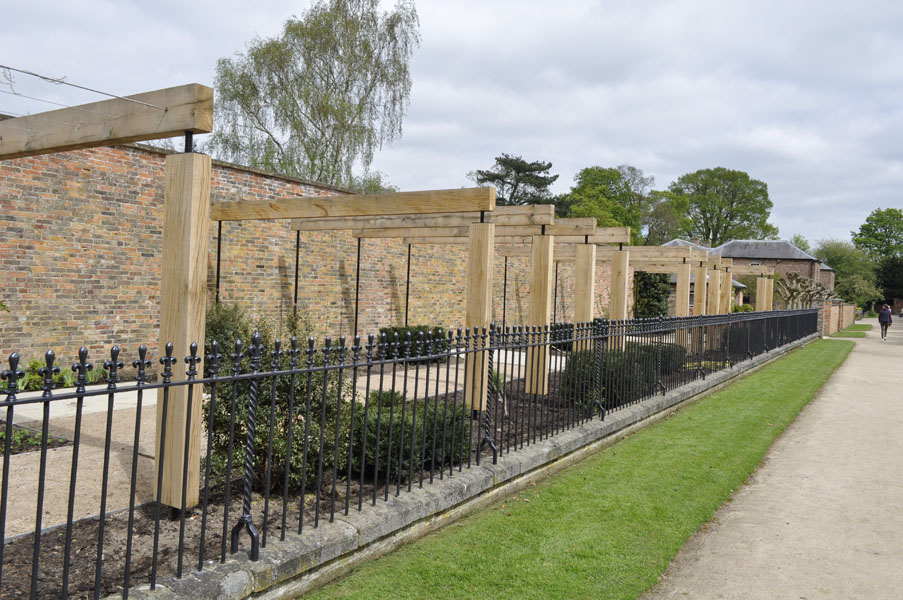
A new overarching garden plan has been drawn up for Beningbrough Hall, and elements are already being developed. The aim is to improve the links between the alreaady popular areas , and create some new, modern, areas in currently quiet places.
Acorn Bank
30 March 2018
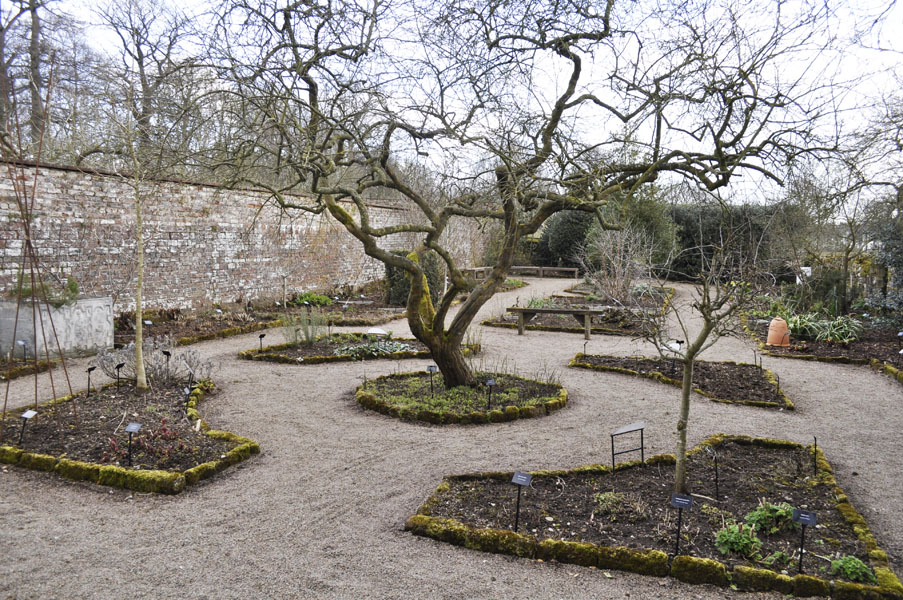
A visit to Acorn Bank garden at Temple Sowerby. An early Easter meant that the structure of the garden was to be viewed, rather than the actual plants. A couple of exceptions - the daphne mezerium was in full blossom, and there were daffodils in the grass.

Pheasant in the garden
14 March 2018
We occasionally get a visit from a pheasant, checking out what might have dropped from the bird feeder. This one has very bright and colourful markings on his head, of the vicar variety with his strong white collar, and a white streak on top of his head.
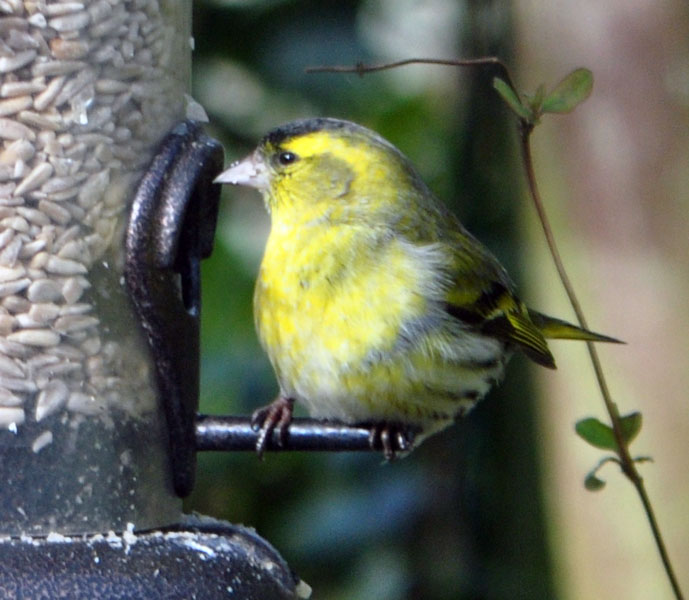
Siskin on the seed feeder
14 March 2018
Another winter visitor popped into the garden, though these do appear fairly regularly in winter, providing sunflower seeds are put out for them. Smaller than a greenfinch, with little streaks on the rump, they are busy little birds when they come.

Fieldfares in the garden
1 March 2018
The blast of cold weather this week brought some unusual visitors to the garden. Fieldfares and redwing both made an appearance, competing with the more usual blackbirds and starlings for the mealworms we put out to help them through the cold and the snow. The redwing flew off before I got my camera, but the fieldfares were regulars for 3 days.

March snow in the front garden
1 March 2018
A week of severe weather dubbed "The Beast from the East" (weather from Siberia) saw temperatures stay below zero and heavy snow for a week. This was the effect in our front garden, before the high winds blew the snow off the hedging and drifted it up on our drive.

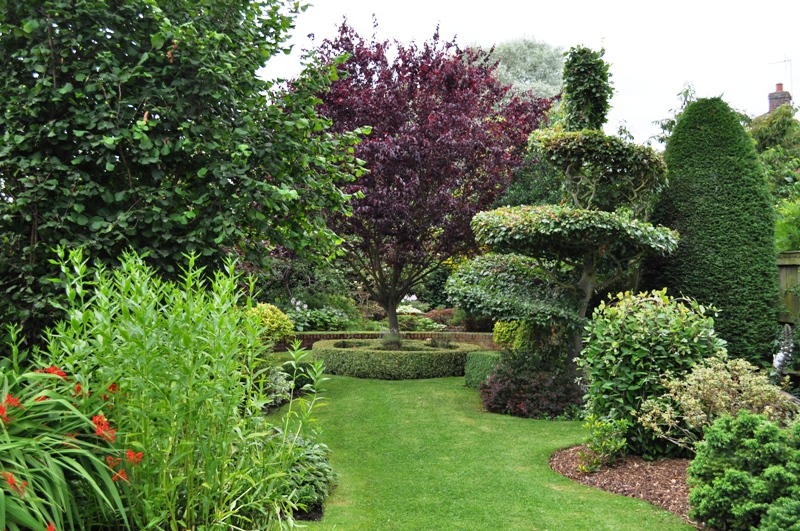
Garth End Cottage garden
The top end of the garden is mainly grass, shrubs and trees, with a little topiary in beech, box, lonicera and golden privet.
There is a gallery of views of the garden available.

Many projects have been undertaken in my garden over the years. Here are some links to garden projects in recent years.
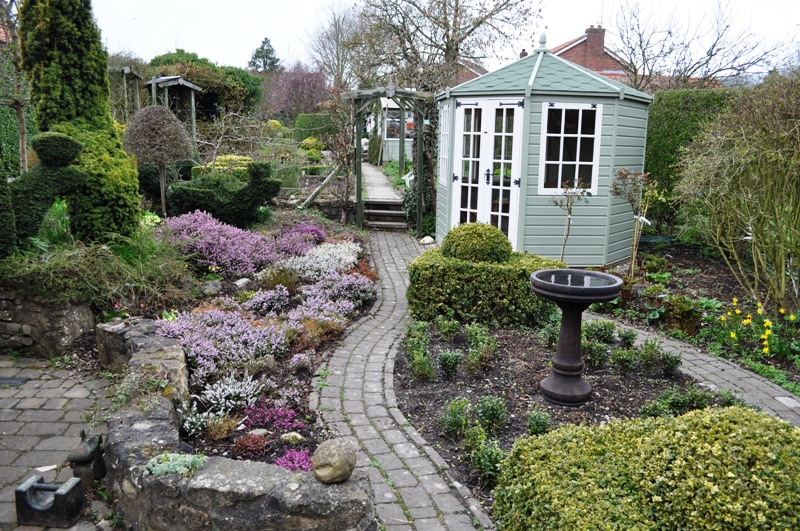
Summerhouse

I have done many illustrated talks on gardens over the years. Here are links to four garden talks I have given
Talk 1: A Garden in Thornton le Dale
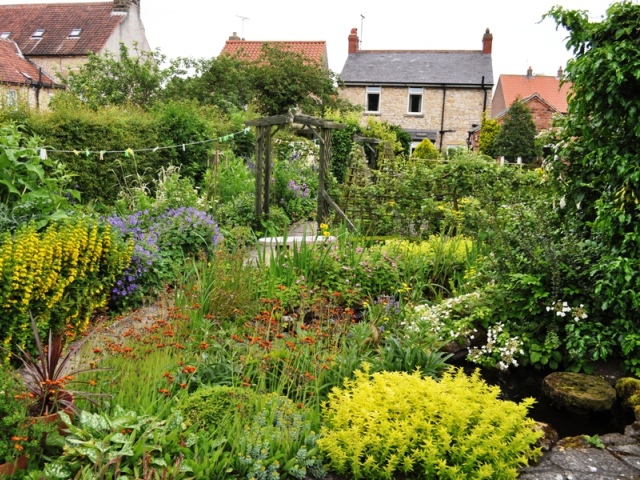
The development of my own garden over 30 years, from a dumping ground for tarmac mainly down to grass, asbestos garage and tin shed, to its present state. Always changing, always some new development underway.
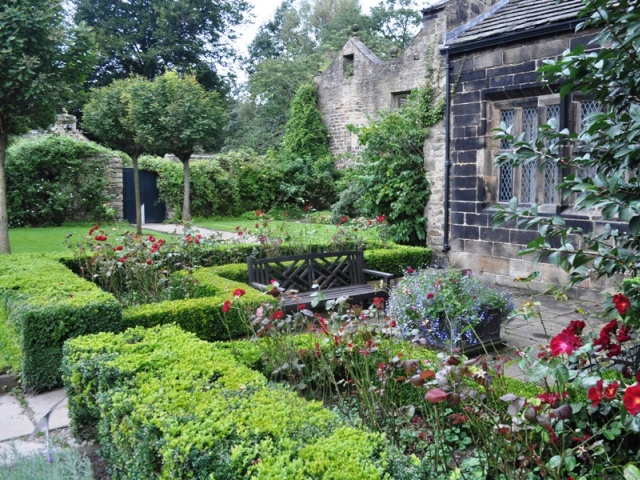
Talk 2: Yorkshire Gardens
Any gardener serious about developing their own garden will want to visit as many other gardens as possible, for enjoyment but also for inspiration and ideas.
This talk takes you on a virtual tour of thirty gardens across the 3 ridings of Yorkshire, from relatively small plots to grand stately homes.
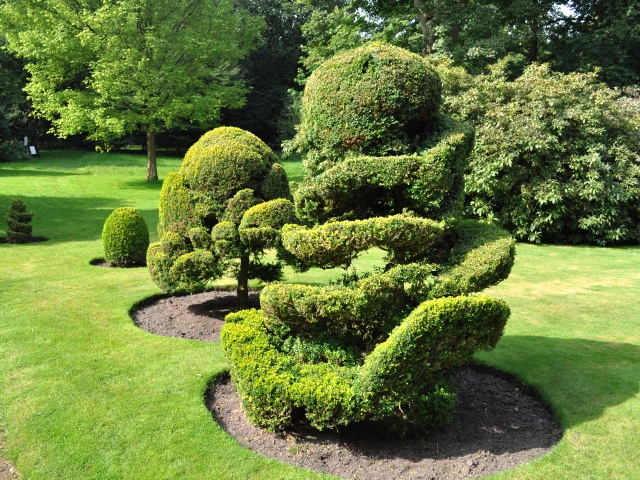
Talk 3: National Trust Gardens
The National Trust cares for 200 gardens in England and Wales, of which I have visited and photographed around 80 to date, plus others managed by the National Trust for Scotland and the equivalent in Ireland.
This talk covers up to 80 gardens (some fleetingly) and offers a personal view of the delights to be found in locations across the country.
Talk 4: Maintaining the garden

It is great fun establishing a garden over the years: you get to buy new plants and objects, design and build, turn dull areas into something interesting. But then it all has to be kept to plan and in good condition. Weeding, mulching, composting, clipping, pruning, building and landscaping ....