Woodland and trees - page 6
We do a lot of walking in woodland on our travels. Trees always offer some amazing shapes and forms, whether in natural or unnatural growth, or in decay. We also come across wood that has been shaped by man. Below is a selection of photographs from some of our travels.

A bracket fungus on a decaying branch at Brodick Castle, Arran
BRACKET FUNGUS
Brodick Castle, Arran
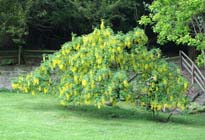
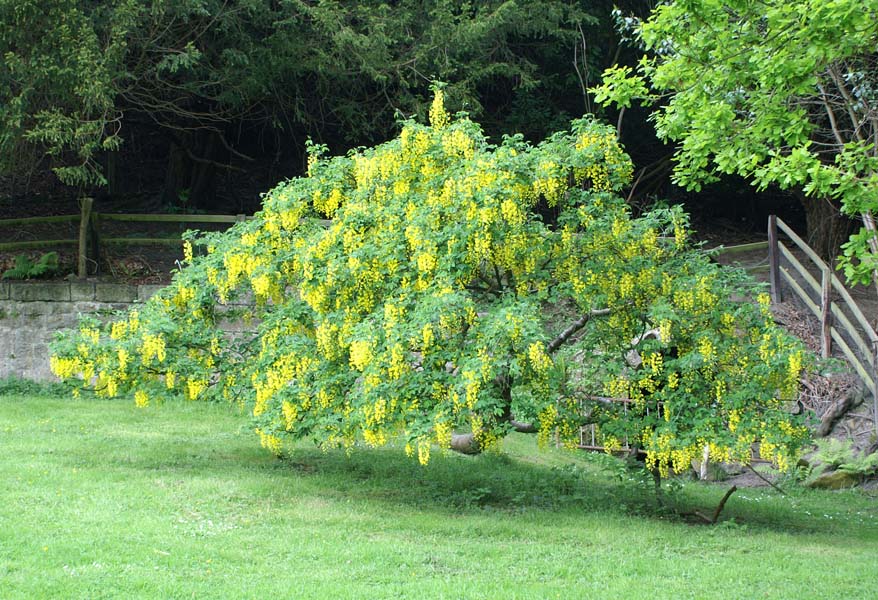
A laburnum in full bloom at Brinkburn Priory, Northumberland
LABURNUM
Brinkburn Priory
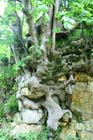
It is amazing where a tree will grow. This sycamore has planted itself in a vertical rock face.
SYCAMORE ROOTS
Brinkburn Priory
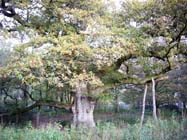
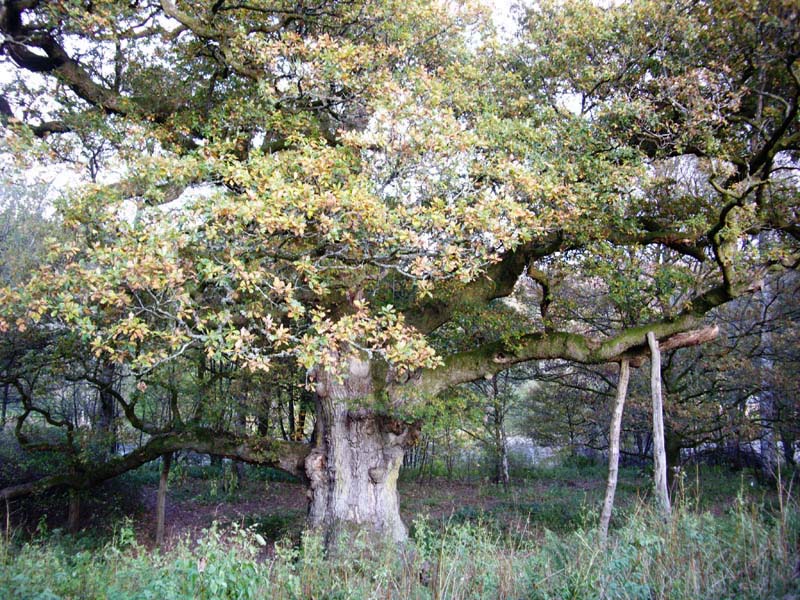
This ancient oak is in Birnam Wood, on the opposite side of the River Tay to Dunkeld. Birnam wood features in Shakespeare's Macbeth - "Macbeth shall never vanquish'd be until Great Birnam Wood to high Dunsinane Hill Shall come against him"
THE BIRNAM OAK
Dunkeld, Perthshire
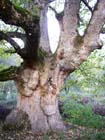
This ancient oak is in Birnam Wood, on the opposite side of the River Tay to Dunkeld. Birnam wood features in Shakespeare's Macbeth - "Macbeth shall never vanquish'd be until Great Birnam Wood to high Dunsinane Hill Shall come against him"
THE BIRNAM OAK
Dunkeld, Perthshire
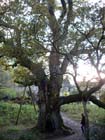
This ancient oak is in Birnam Wood, on the opposite side of the River Tay to Dunkeld. Birnam wood features in Shakespeare's Macbeth - "Macbeth shall never vanquish'd be until Great Birnam Wood to high Dunsinane Hill Shall come against him"
The BIRNAM OAK
Dunkeld, Perthshire

Perthshire Amber, when the beech forests turn every colour of gold. This view is over the Birks of Aberfeldy
PERTHSHIRE AMBER
Birks of Aberfeldy
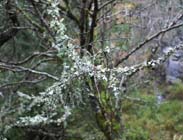
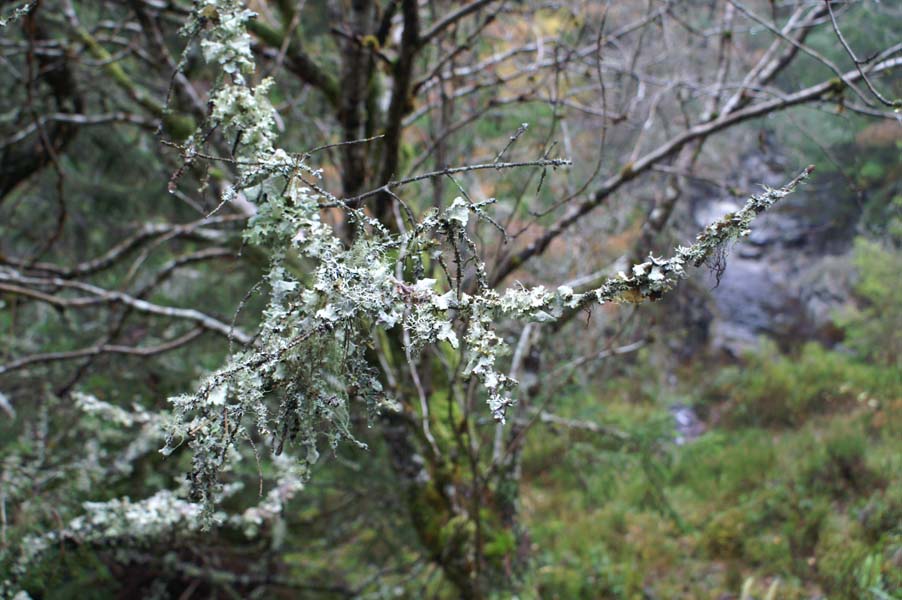
Lichen growing on branches in the clear damp air of the Forest of Bruar. So much fresher walking there, rather than shopping in the nearby House of Bruar!
Lichen
Forest of Bruar
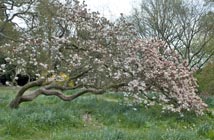
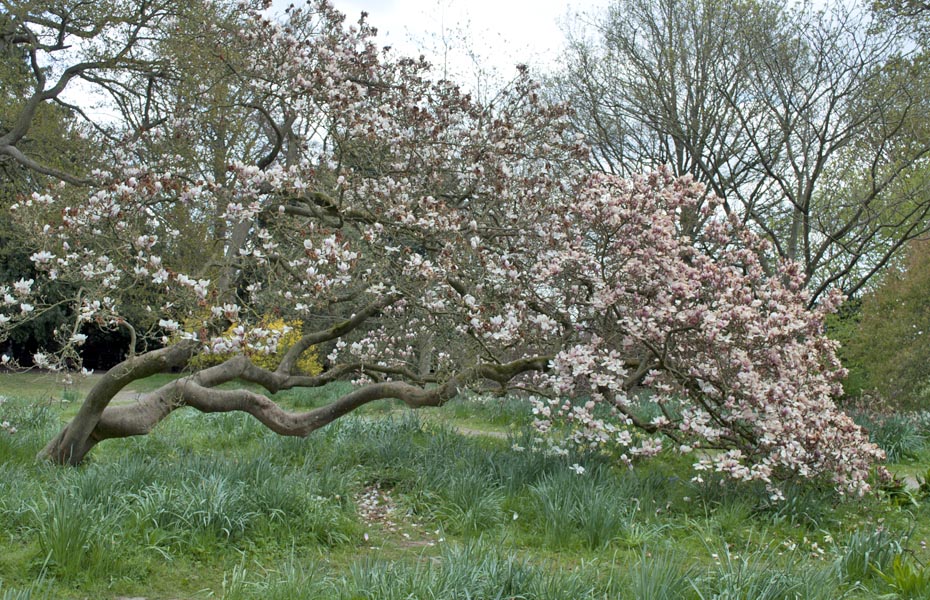
a magnolia in full bloom in the American garden at Beningbrough Hall.
magnolia
Beningbrough Hall
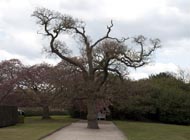
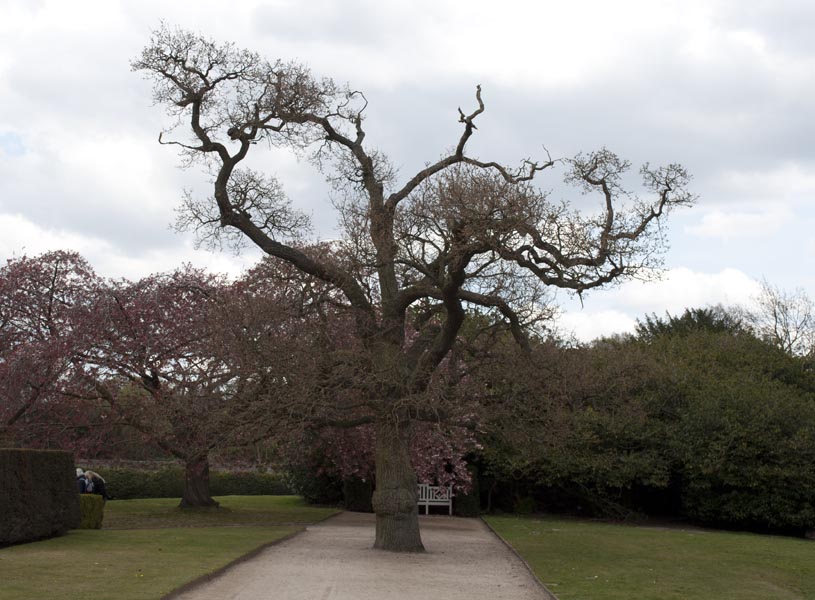
Quercus robur variegata, planted by the Duke of Cambridge in 1898. Apparently the Duke was suffering from hay fever so did not wish to walk across any grass, hence the tree in the middle of the path. This is the 4th largest of its kind in the country.
DUKE OF CAMBRIDGE OAK
Beningbrough Hall
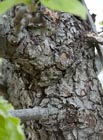
Knarled bark of pyrus communis, planted as one of 20 in an archway in 1898. Some of the old stock has been replaced, but some is still growing and producing blossom.
PEAR TREE BARK
Beningbrough Hall
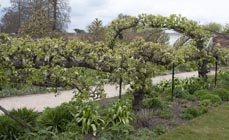
The pear arch in the kitchen garden at Beningbrough Hall. Planted in 1898, some original trees remain
PEAR ARCH
Beningbrough Hall

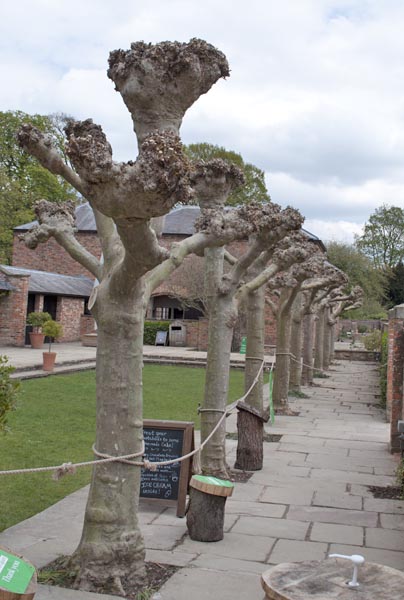
Pollarded London plane trees (Platanus x hispanica) by the restaurant at Beningbrough Hall. Quite grotesque without leaves, I think these are love them or loathe them. I love them, my wife loathes them.
POLLARDED PLANE TREES
Beningbrough Hall
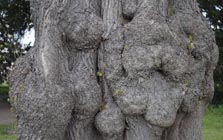
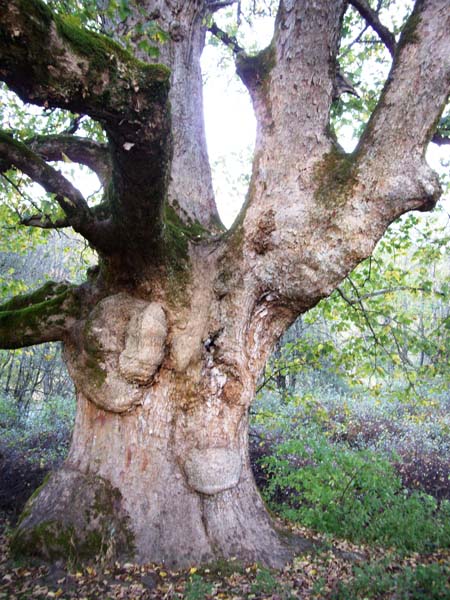
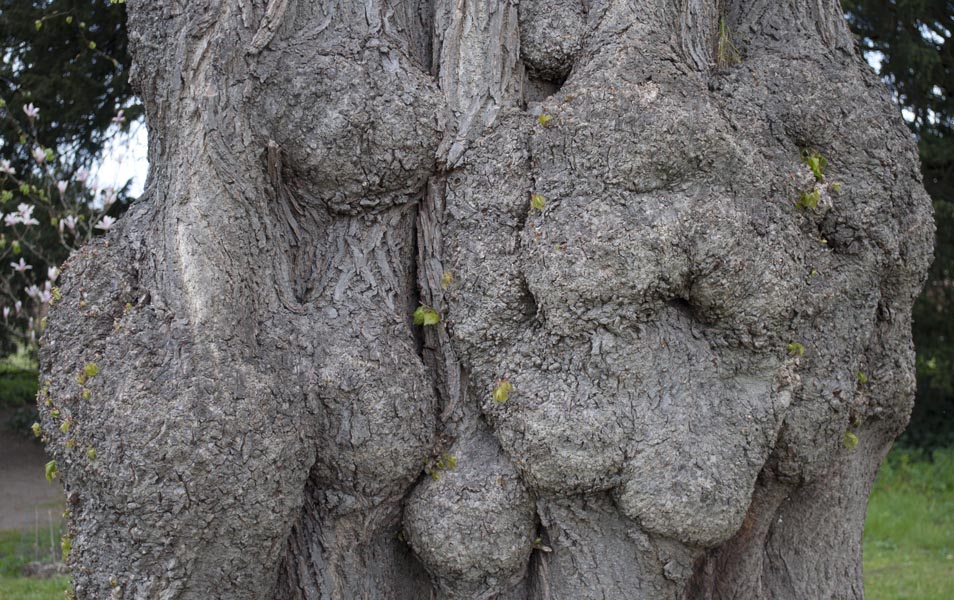
Wonderful burrs on a lime tree at the rear of the hall. One day they will make beautiful turned bowls!
LiME BURR
Beningbrough Hall
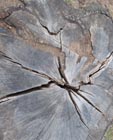
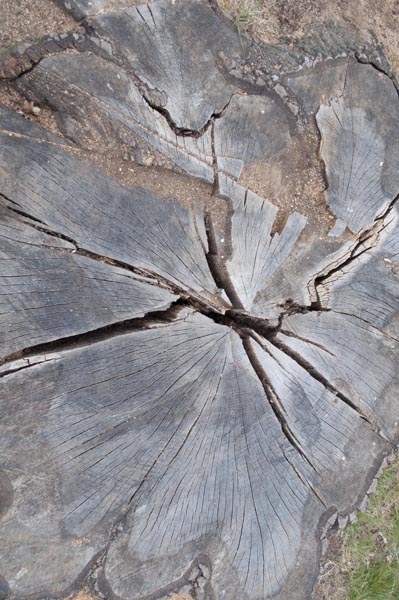
A large stump near the ha-ha at the rear of the Hall. It must have been a fine tree.
OLD STUMP
Beningbrough Hall
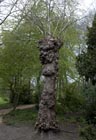
A large stump near the ha-ha at the rear of the Hall. Head gardener Sam Shipman says it is a London plane which has been heavily pollarded over the years.
LONDON PLANE BURR
Beningbrough Hall

Salix fragilis Yorkshire County champion for girth, at 780 cm. Common name crack willow, due to its tendency to split open, often with a loud cracking noise. This is in the car park at the Vangarde Centre on the outskirts of York. It looks like it has had some recent severe pollarding attention which is not unusual for the species.
CRACK WILLOW
York Vangarde Centre