×
![woodturning]()

Trees Gallery - Thorp Perrow Arboretum
Bedale, North Yorkshire

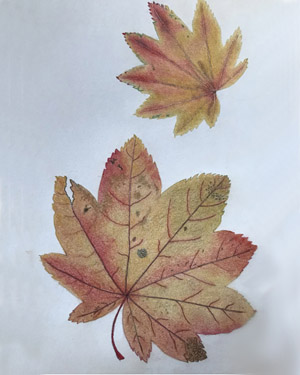

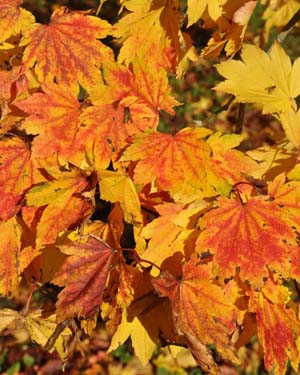
Acer shirasawanum aurea 'Full Moon'
Full moon maple
A bushy, medium-sized deciduous shrub or small tree, native to Japan. Grown for its spectacular foliage - bright lime green in spring, brilliant yellow - orange - red in autumn.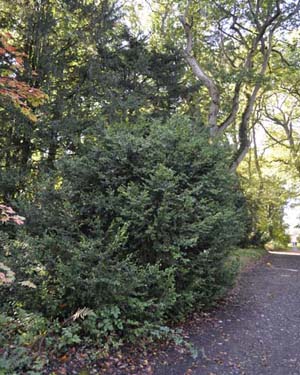
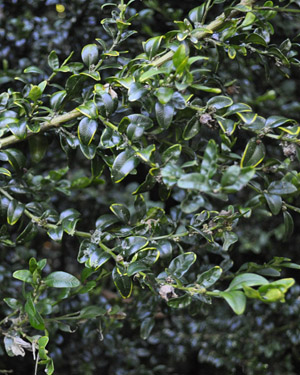
Buxus sempervirens
Box
Often seen restricted in growth as a topiary specimen in gardens, box can grow into a tree up to 12 metres tall if given time and space. It is slow growing. Evergreen, with shiny oval leaves, small green-yellow flowers in April and May, and small round fruit capsules with three "legs" on them. This one is about 3 m.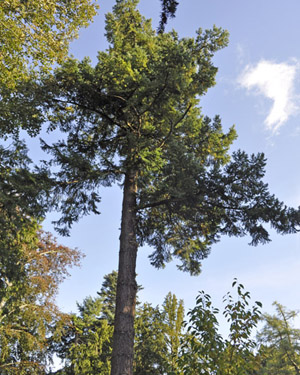
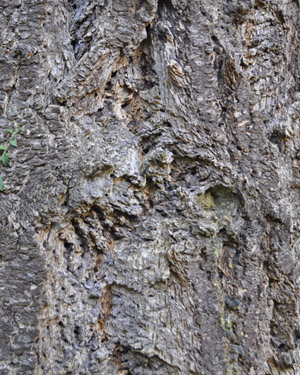
Pseudotsuga menziesii
Douglas fir
An evergreen conifer that can grow to 55m and live for more than 1,000 years. Native to W. USA. Named after Scottish botanist David Douglas (1799 - 1834), though the Latin name remembers fellow Scottish botanist Archibald Menzies.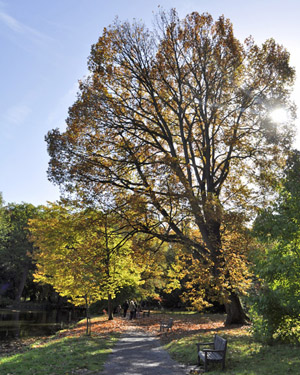
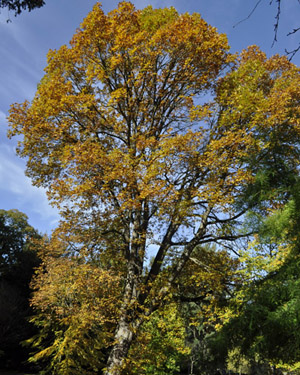
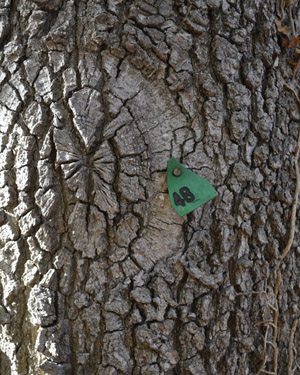
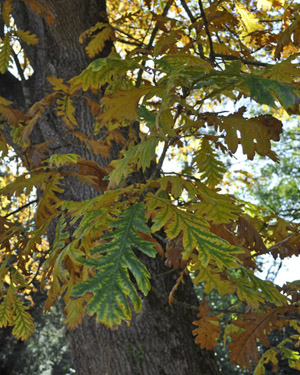
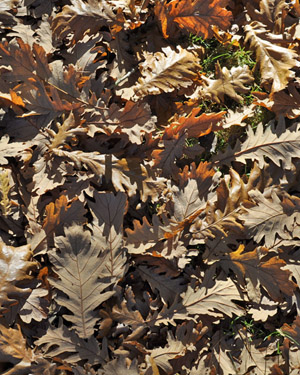
Quercus Frainetto
Hungarian oak
Also sometimes called the Italian oak, a native to SE Europe and Turkey. A large tree growing to 30m, with a trunk up to 2m in diameter. The leaves are large, with many rounded lobes, and often cling on to the twigs over winter.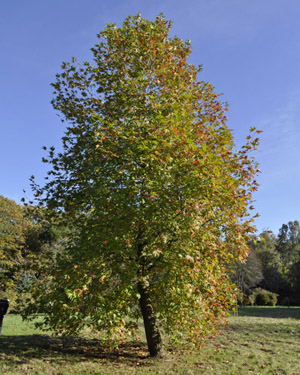

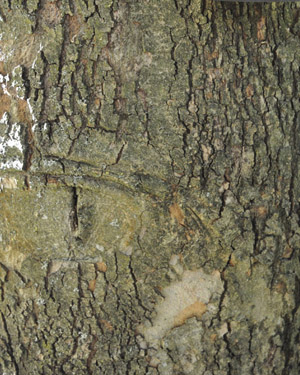
Platanus orientalis
Oriental plane
Also know as the Old World Sycamore. A large tree, growing to 30m. It is one of the parents of the hybrid London Plane (the other being Platanus occidentalis, the American sycamore). Maple-like leaves turn many shades of red in autumn. On older trees the bark is ivory and flaky.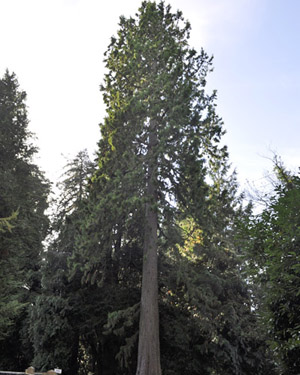
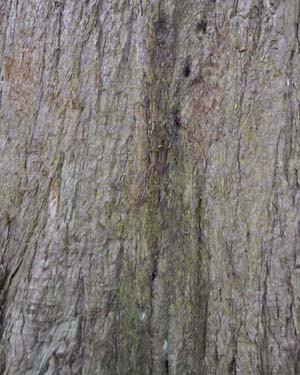
Sequoiadendron giganteum
Giant redwood
The largest tree on the planet in its native area of Nevada, growing to 85m tall and 8m diameter trunks. An endangered species in the wild, though planted widely in parks and gardens, where it is at its best if given space to tower over other trees.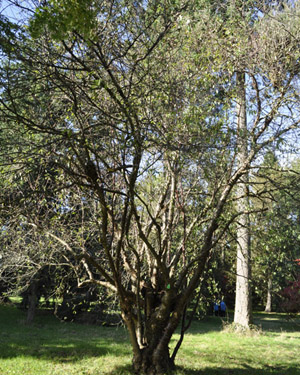
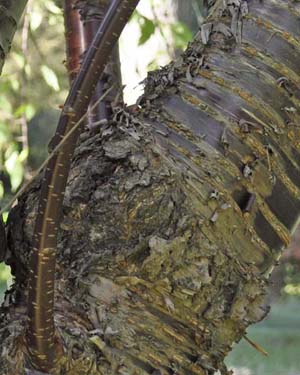
Prunus serrula
Tibetan cherry
Also called birch bark cherry or paperbark cherry. Native to China, and is used as an ornamental in many parts of the world for its striking coppery-red bark, especially when young. A small deciduous tree, growing only to 12m, though it can spread to 8m in width.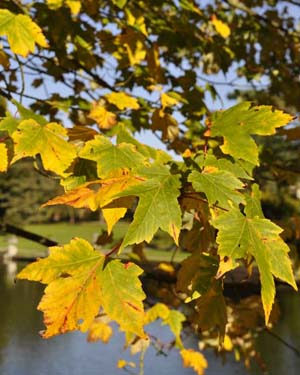
Acer rubrum
Red Maple
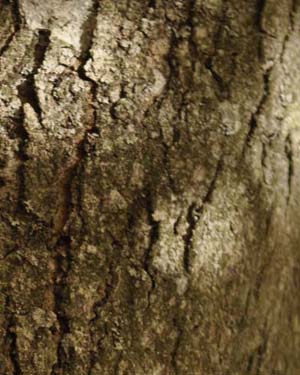
Also known as swamp, water or soft maple, is one of the most common and widespread deciduous trees of eastern and central North America. Leaves eventually turn deep red - we were a little early to see the full colour change.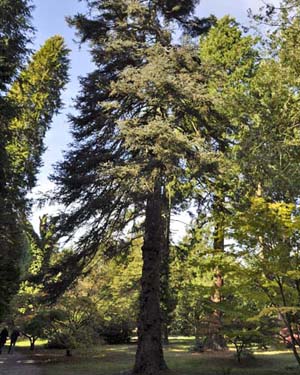
Abies pinsapo
Spanish fir
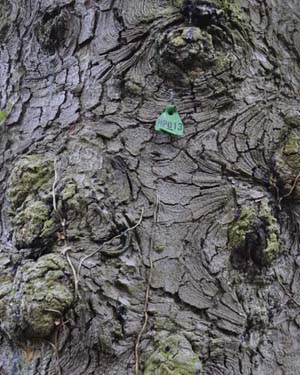
A native of the mountains of Spain and North Morocco. A large conifer - growing to 30 m. The needles are a pale glaucous bluish grey colour, with bands of whitish wax on all sides. Their normally conical habit can decline with age.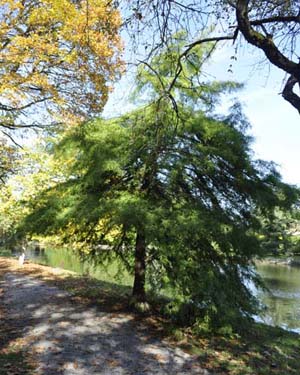

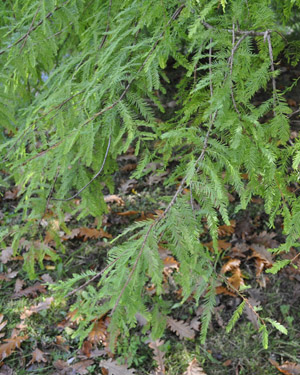
Taxodium distichum
Swamp cypress
A deciduous conifer native to the Gulf and S.E. coastal areas of the USA, introduced to Britain in 1640. Also known as the Bald Cypress due to dropping its needles. It grows naturally in waterlogged areas, and is growing by the lake here.
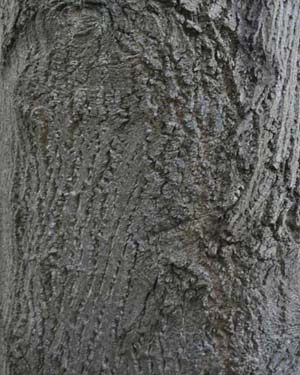
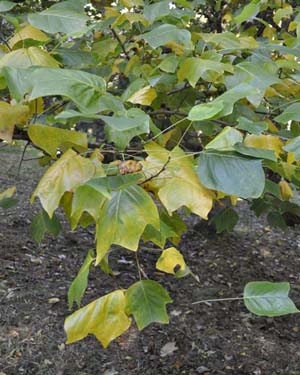
Liriodendron tulipifera
Tulip tree
A large tree (50m) native to E. USA, named for its tulip like flowers. Also known as canoewood, saddle-leaf tree, white wood and yellow poplar. It has distinctive 4 lobed leaves, which can be large.
Magnolia Sprengeri 'Eric Savill'
Sprenger's magnolia
Native to China, occurring in Gansu, Henan, Hubei, Hunan, Shaanxi, and Sichuan in forests or thickets at 1300–2400 m altitude. Named after German botanist Carl Ludwig Sprenger (1846 - 1917). This variety will have rich pink flowers, 20cm across, in spring, the petals paler to white within. This cultivar is from a cutting at the Savill garden, Windsor Great Park.