Trees gallery - Tyntesfield - page 1
Wraxall, North Somerset, near Bristol
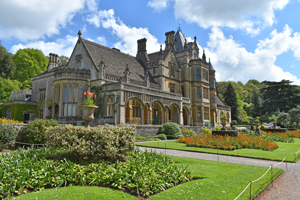
William Gibbs bought Tyntesfield in 1844, and four generations since have planted trees from all around the world. Plant hunting was a prime occupation for the wealthy, either in person or by proxy through nurseries. Gibbs created his wealth through import and export, most notably in the trade in guano, and later chemical fertilisers and chemicals for munitions. The estate now has over 60 of North Somerset's Champion Trees, 16 of which are British Isles champions.
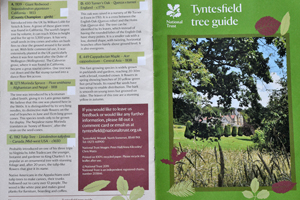
There is an excellent Tree Guide leaflet available to purchase at the shop for not a lot of money. Trees are numbered and labelled, and a map in the guide assists with identification. There are useful notes on 62 of the most significant trees in the estate, with English and Latin names, and a number of illustrations. If only more properties would make such leaflets available!
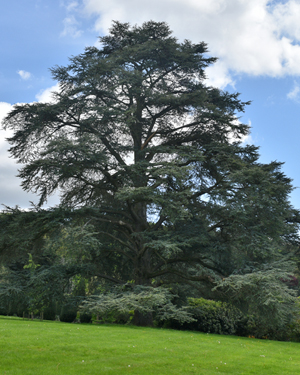

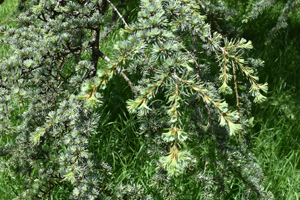
Cedrus atlantica glauca
Blue atlas cedar (42)
The blue variety of the Atlas cedar, there are a number of examples around the estate. The Tree Guide says: NAtive to the Atlas mountains, N. Africa. A close relative of the Cedar of Lebanon. An immediately popular introduction, this bluish tinged variant 'glauca' being the most used. It is fast growing and tolerant of a range of growing conditions. The branches grow upwards, rather than the sideways growth of the Lebanon.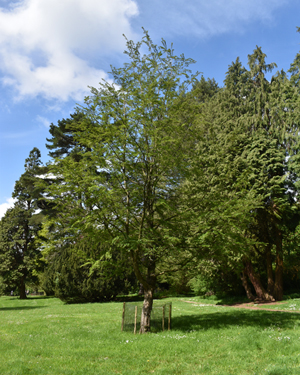
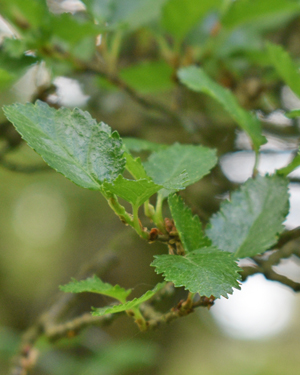
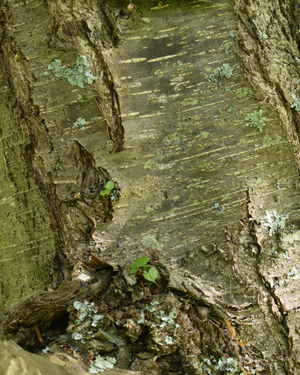
Nothofagus Antarctica
Atlantic beech (8)
The Tree guide says: Native to S. South America. About 40 species of similar trees, known as false beech (nothofagus) are native to cooler regions of the Southern hemisphere. This tree grows to 10-25 m and has a slender trunk with scaly bark. Growing on Hoste Island in Chile, it has earned the distinction of being the southernmost tree on earth. The pink-brown hardwood of the Antarctic Beech is used in flooring and cabinetmaking. This specimen was planted in 2005.
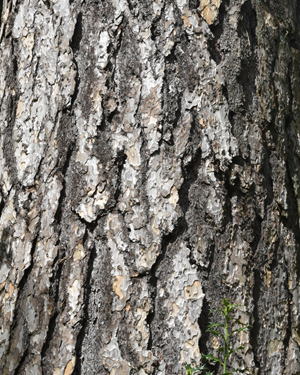
Pinus nigra
Austrian pine (12)
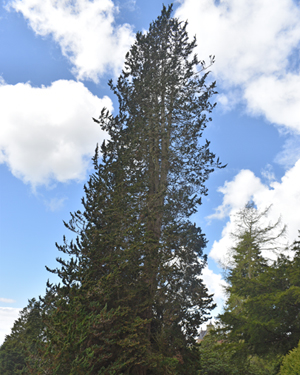
The Tree guide says: Native to S. Austria. One of three pines planted together to highlight their differences. Unfortunately I didn't get a photo of the Crimean pine. The Austrian was introduced by Charles Lawson, for timber use, but unfortunately its many knots reduced its strength.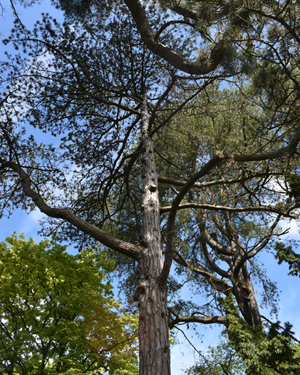

Pinus nigra ssp. laricio
Corsican pine (11)
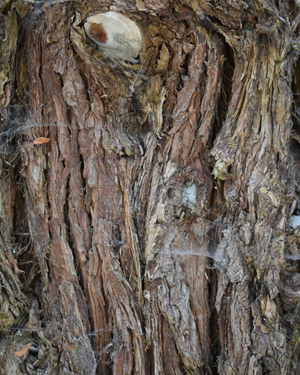
The second of three pines. More successful as a timber provider. Almost identical bark to the Austrian, but the trunk has thinner branches compared to the thick horizontal branches of the Austrian. The whole tree has a bluer shade.
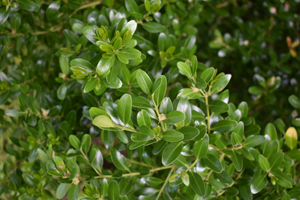
Buxus balearica
Balearic box (32)
The Tree Guide says: Usually box is known for small, evergreen hedges clipped into geometric shapes. Unlike common box, Balearic box can grow to as much as 10m. Its wood has a very high density and is one of the few woods denser than water. The fine end grain makes it suitable for woodblock printing. This is the champion tree for girth in the British Isles (Tree Register)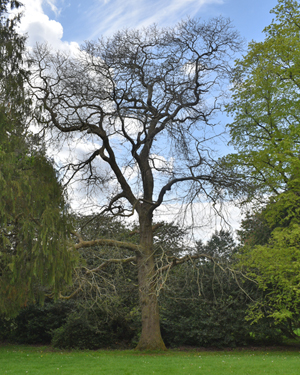
Castanea sativa
Sweet chestnut
The Tree Guide says: Probably introduced by the Romans, this tree can almost be regarded as a native. It spread extensively as it was very effective for making charcoal to smelt metal. Its timber is now used for furniture and fencing but tends to warp if used for large beams. Catkins are produced in spring and edible nuts in autumn, in 'capsules' with spiky shells to deter squirrels. The bark is distinctive, with deep grooves often spiralling around the tree.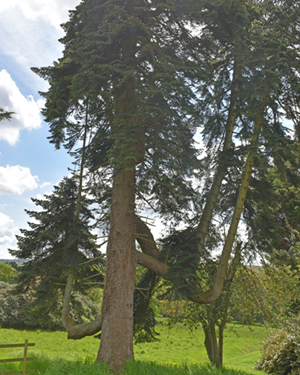
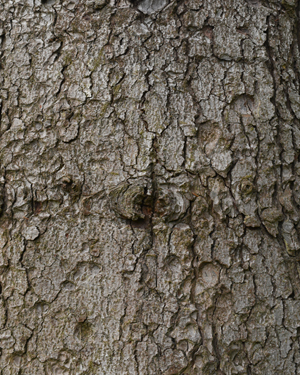
Abies nordmanniana
Caucasian fir (52)
A dioecious tree. The Tree guide says: Native to North East Turkey. Also called the Nordmann fir, one of the most important species grown for Christmas trees. It has attractive foliage, with needles that are not sharp, and do not drop readily when the tree dries out. The wood is soft and white, and is used for general construction, paper, etc. It was named after Finnish zoologist Alexander von Nordmann (1803-1866), professor at the university of Odessa. This one is the girth and height county champion for North Somerset.
Sorbus aria Lutescens
Whitebeam
Not in the Tree Guide, but Paul Evans (Head gardener) tells me that it was probably planted by Richard Gibbs, the last owner of Tyntesfield. Whitebeam is deciduous, native to most of Europe, N Africa and Asia. Lutescens has particularly white-green leaves.
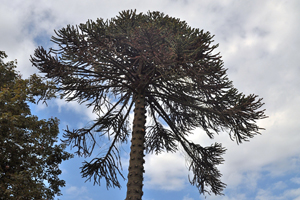
Araucaria araucana
Monkey puzzle
The Tree Guide says: When plant hunter Archibald Menzies dined with the Governor of Chile he pocketed, and later planted, some nuts served at dinner. John Veitch realised the commercial potential and sent William Lobb to Chile to collect more seeds. The spiky green leaves are very distinctive and climbing it would be a puzzle for a monkey. There are many of these trees at Tyntesfield.