×
![woodturning]()

Trees gallery - Newby Hall - page 2
Near Ripon, North Yorkshire
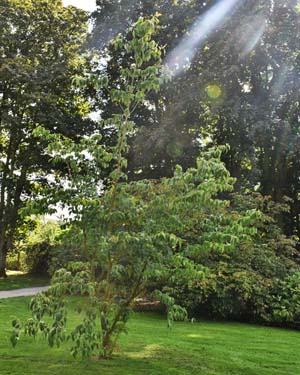
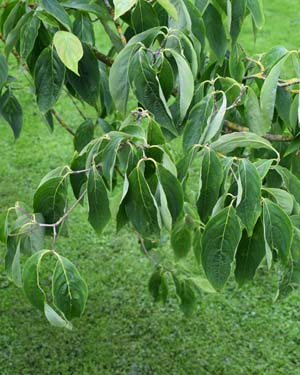
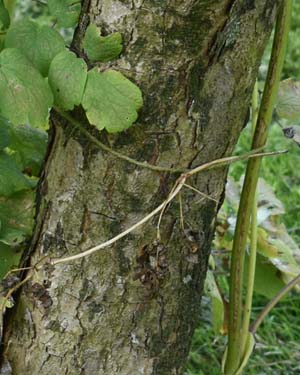
Cornus x rutgersensis Aurora
Dogwood
A cultivar introduced from North America, a cross between Cornus florida, Cornus kousa, and Cornus nuttallii. A large shrub or small tree. Visiting on 1 September, we were too late for the mid-summer display of massed white "flowers", which are actually the bracts modified leaf, often positioned beneath a flower or inflorescence surrounding the tiny central flower, and too early for the multi-coloured leaf change of autumn.
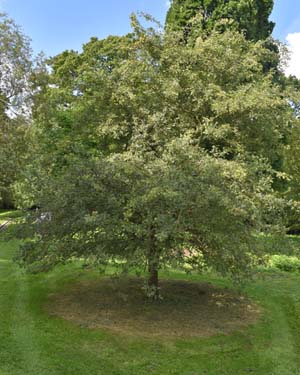
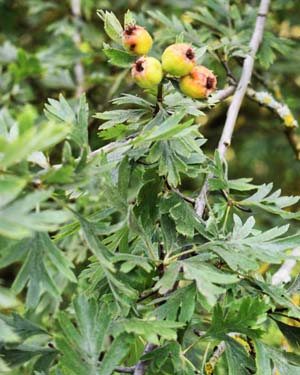
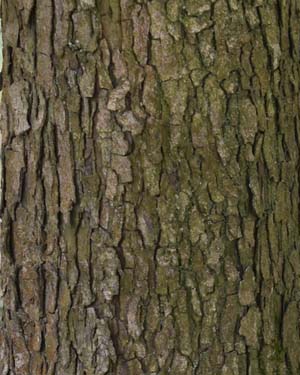
Crataegus laciniata
Cut-leaf hawthorn
Also known as crataegus orientalis. A species of hawthorn found in Morocco, Algeria, Spain and Sicily, growing to 6m. White flowers are followed by orange-red berries in autumn. The deeply cut leaves give it the common name.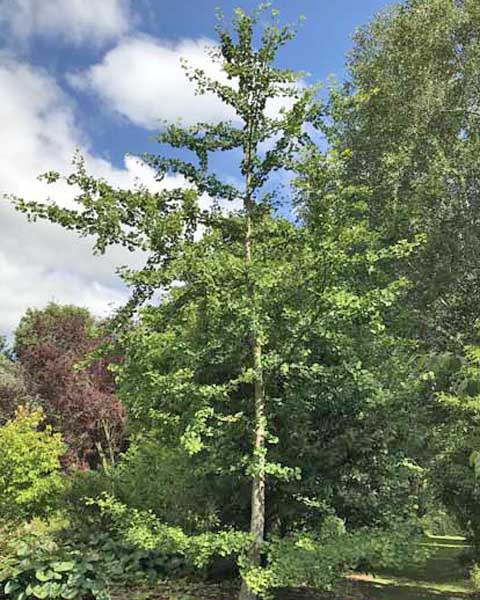
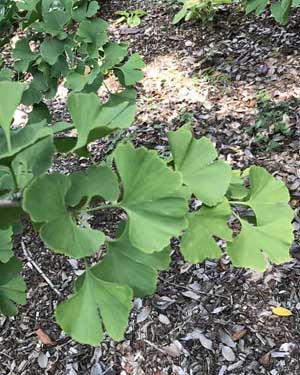
Ginkgo biloba
Maidenhair tree
Native to China, the maidenhair tree is one of the oldest living tree species in the world. Known as a ‘living fossil’ an extant taxon that cosmetically resembles related species known only from the fossil record , it is the sole survivor of an ancient group of trees that outlived the dinosaurs. Though endangered in the wild because of deforestation, the maidenhair tree is cultivated throughout the world and prized for the medicinal properties of its leaves. The oldest recorded maidenhair tree is an incredible 3,500 years old. (description from Kew)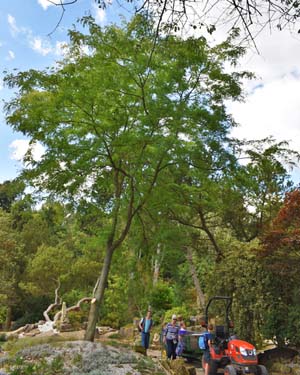
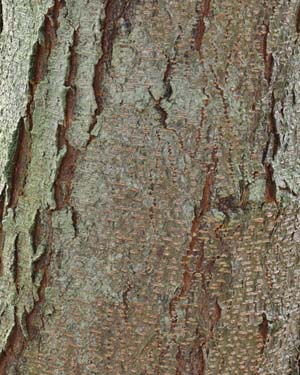
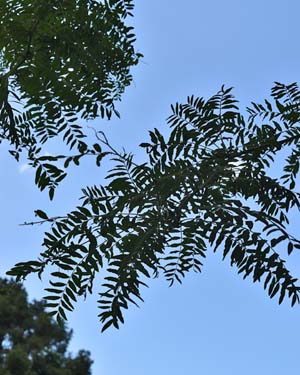
Gleditsia triacanthos
Honey locust
A large tree growing to 20 - 30m, native to North America. It can be highly invasive, and is considered a weed in Australia, America and other parts of the world. Thickets choke waterways and prevent both domestic and native animals from drinking and also harbour vermin. The spines cause damage to both people and wildlife and puncture vehicle tires.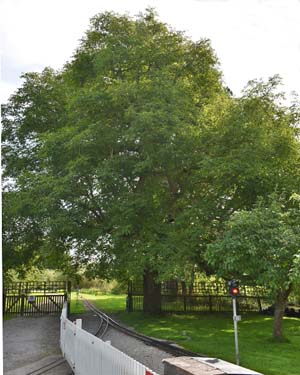
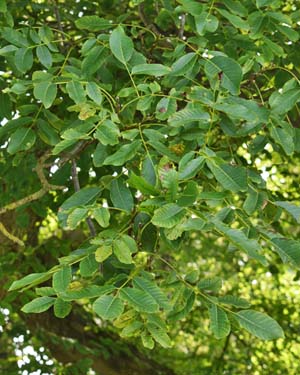
Juglans regia
Common walnut
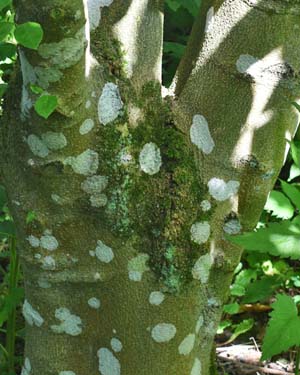
I didn't find a label on this one, but I think it is a common walnut. (Head gardener Lawrence Wright confirmed this.) It has pinnate leaves with one terminal leaf at the end, and there were green spherical fruits higher up. The common walnut is a neophyte a plant not native to a region, introduced and escaped into the wild in recent history (after 1500) , possibly a cultivated archaeophyte long established alien plant, i.e. found in the wild before 1500 , introduced by the Romans. It was not recorded in the wild until 1836, but was in Britain at least in medieval times.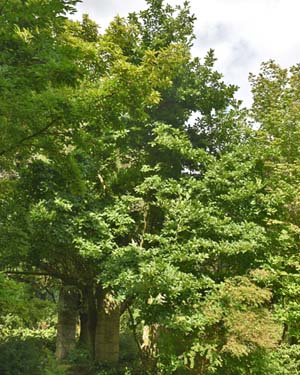
Magnolia loebneri Merrill
Magnolia Merrill
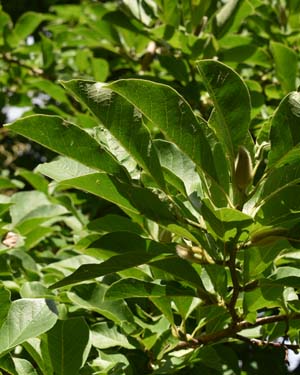
A cultivar bred in the USA in the 1930s, noted for profuse white flowers in spring - we were too late for these on this visit. Growing against a sheltering wall, which hopefully affords protection from frosts. Can grow to 8m, and this one is getting there.
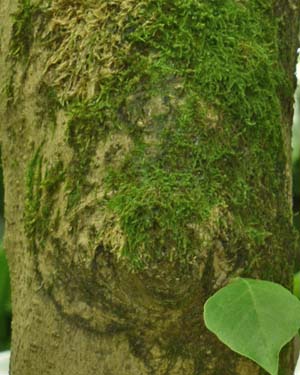
Magnolia soulangeana Brozzonii
Tulip magnolia
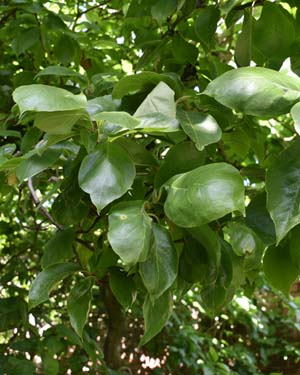
This is a cross between M. denudata and M. liliiflora, the first hybrid to be made in Europe (outside Japan). Slow growing, it can take up to 50 years to reach 6m. Once again, not the best time of year to visit this area of the gardens.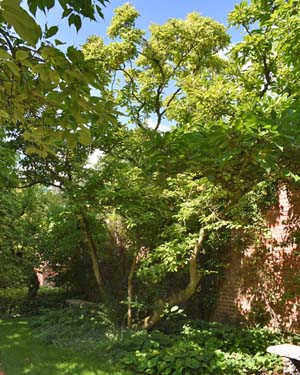
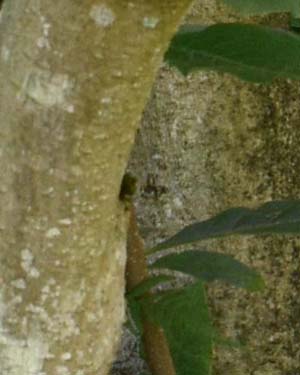
Magnolia soulangeana Lennei
Pink tulip magnolia
Also called a saucer magnolia on account of its flowers. Large leaves and purple/pink flowers on this cultivar of the soulangeana hybrid. Slower growing than other magnolias. Deciduous.