
Trees Gallery - The Yorkshire Arboretum -page 3
Castle Howard, North Yorkshire
 April 2024
 April 2024
 April 2024
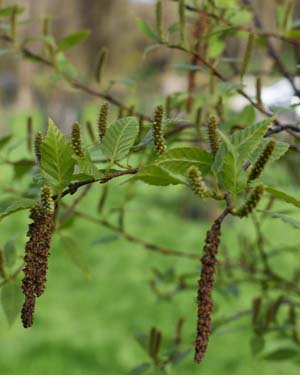
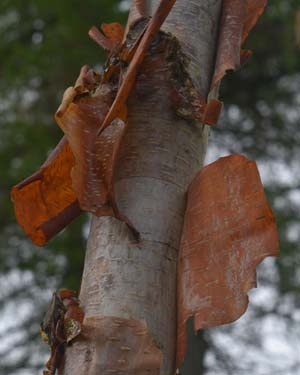
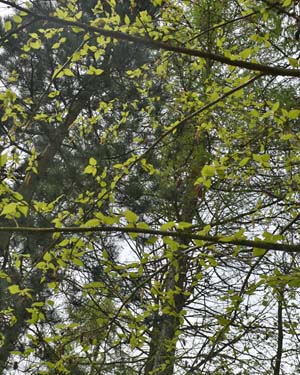
Betula utilis albosinensis 'Red lady'
Chinese red birch
A rare and special introduction displaying the best example of the attractive red/brown peeling bark of the species. The tree is neat, upright with a fine display of catkins followed by glossy green leaves that turn golden yellow in the autumn. Found by John Grimshaw. [Frank P Matthews]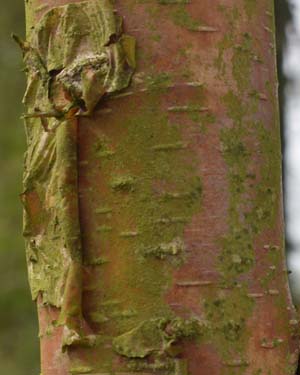 April 2024
 April 2024
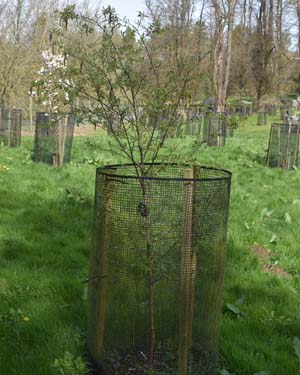
Betula utilis occidentalis
Water birch
A.k.a. red birch, W North America and Canada, typically occuring along streams in mountainous regions. A deciduous shrub or small tree growing to 14 m. It tends toward epicormic the growth of new shoots from epicormic buds that lie dormant beneath the bark growth, with many small limbs sprouting from the trunk and causing the wood to be full of small knots.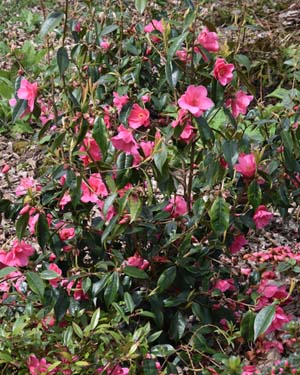 April 2024
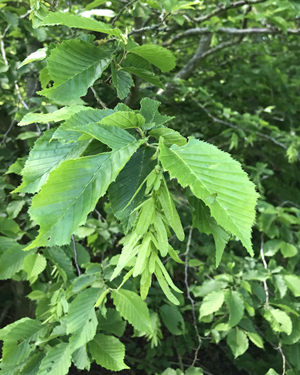
Camellia sasanqua 'Crimson candles'
Camellia
A vigorous, upright, open, evergreen shrub with elliptic, glossy, dark green leathery leaves, bronze-red when young, and red buds opening to deep rose-pink single flowers in late winter and early spring. It grows to around 3.5m tall. but well-drained soil, suitable for woodland and acidic soils. Sazanka is the Japanese name for the plant, where it was planted as much for practical use - tea leaves and tea oil - as for its decorative flowers. There are a number of cultivars of c. sasanqua.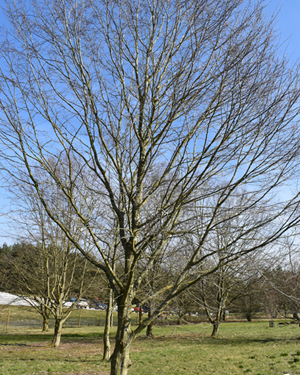 March 2022
 May 2022
 October 2023
 May 2018
 March 2022
 October 2023
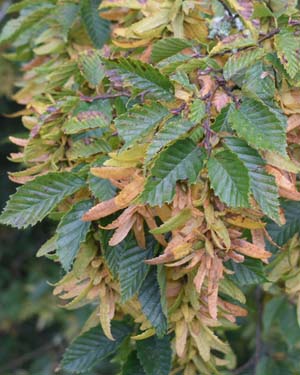
Carpinus betulus
Hornbeam
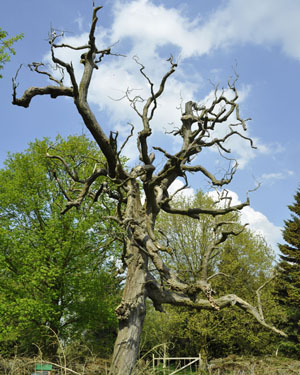
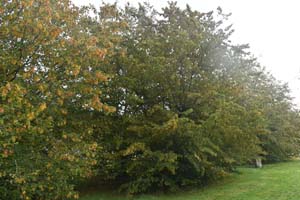
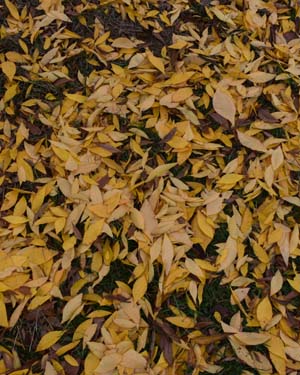
Young hornbeam trees growing near the visitor centre, which will develop into large specimens in time. On the south side of the arboretum was an old hornbeam. Standing dead timber is an important and rare habitat, supporting many specialised fungi and insects, as well as providing cavities for birds and bats. The tree was believed to have been over 200 years old, unusually large for a Hornbeam. This sculptural dead tree had been left standing, surrounded by a "dead hedge", which forms a barrier but also provides an environmentally friendly way of disposing of debris and brashings collected during arboretum management work. Sadly by 2021 it had been felled, with just a log pile left in the enclosure.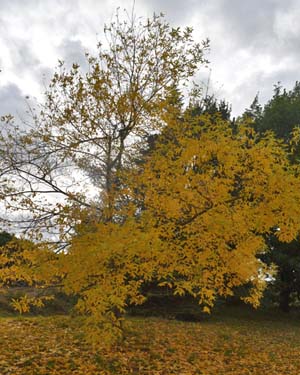 October 2022
 October 2022
Carya cordiformis
Bitternut
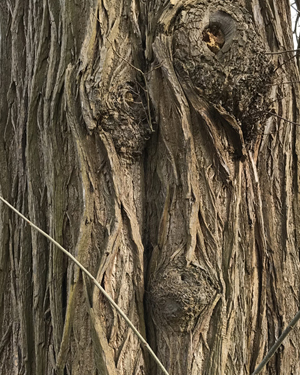
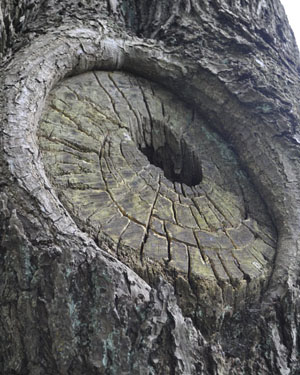
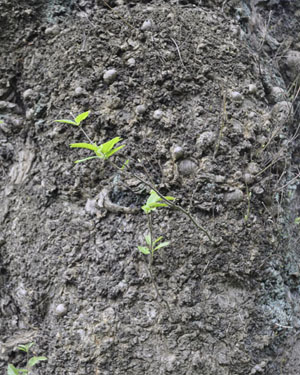
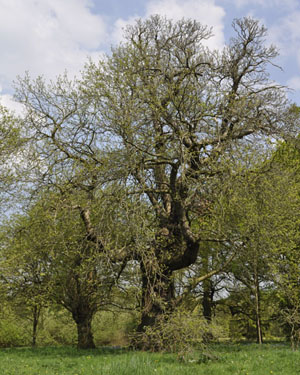
Native to NE USA and Canada, the bitternut is also known as bitternut hickory or swamp hickory, closely related to the pecan. It is a large tree capable of growing to 52 m in the wild. The nuts are more or less heart shaped, which gives the species name cordiformis As the common name suggests, the nuts are not edible to humans. This is the girth and height champion of N Yorkshire [Tree Register 2020]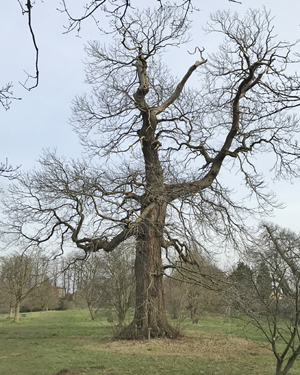 March 2022
 March 2022
 May 2018
 May 2018
 May 2018
 May 2018
Castanea sativa
Sweet chestnut
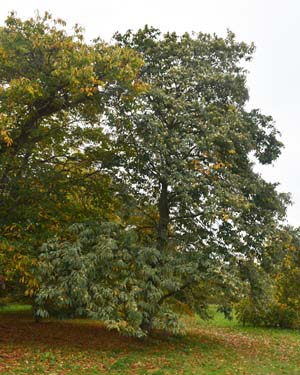
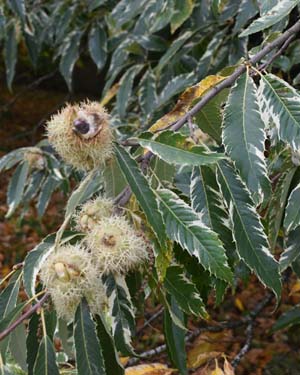
There are some very large specimens of sweet chestnut trees growing at the top of the arboretum. These must be at least a couple of hundred years old. Knarled, stunted, massive girth, covered in burrs unnatural mass of twiggy growth caused by the grain growing around a foreign object, a localised virus or fungus infection , they are full of character and form. The woodturner in me cannot help wondering what delights could be made from such stands of timber. Sweet chestnut is almost a native tree, probably introduced by the Romans. A useful timber tree, often coppiced to produce palings, fencing and walking sticks. Poor as firewood, though good for the production of charcoal. It has a tendency to twist as it grows; this can be quite marked on older specimens.
 October 2022
 October 2022
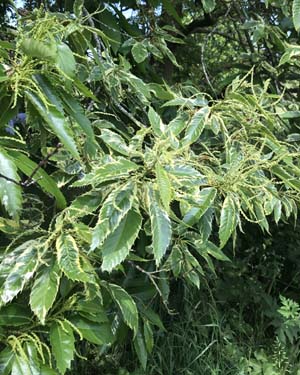 June 2023
Castanea sativa albomarginata
Variegated chestnut
A large tree, approximately 25m tall, with an irregular crown up to 20 m wide. The heavy, squat, dark grey trunk twists on its axis taking the deep grooves in the bark with it. Young branches are olive-green but quickly turn reddish-brown. Young leaves carry velvety hairs on the underside. The flowers are the same as those of the species. The spikes on the fruit husks are sometimes also partially white. The nuts are edible. 'Albomarginata' puts down a deep and widespread root system. [Van der Berk]